Color Studies Explained
An in-depth guide to everything Color Studies
Structure
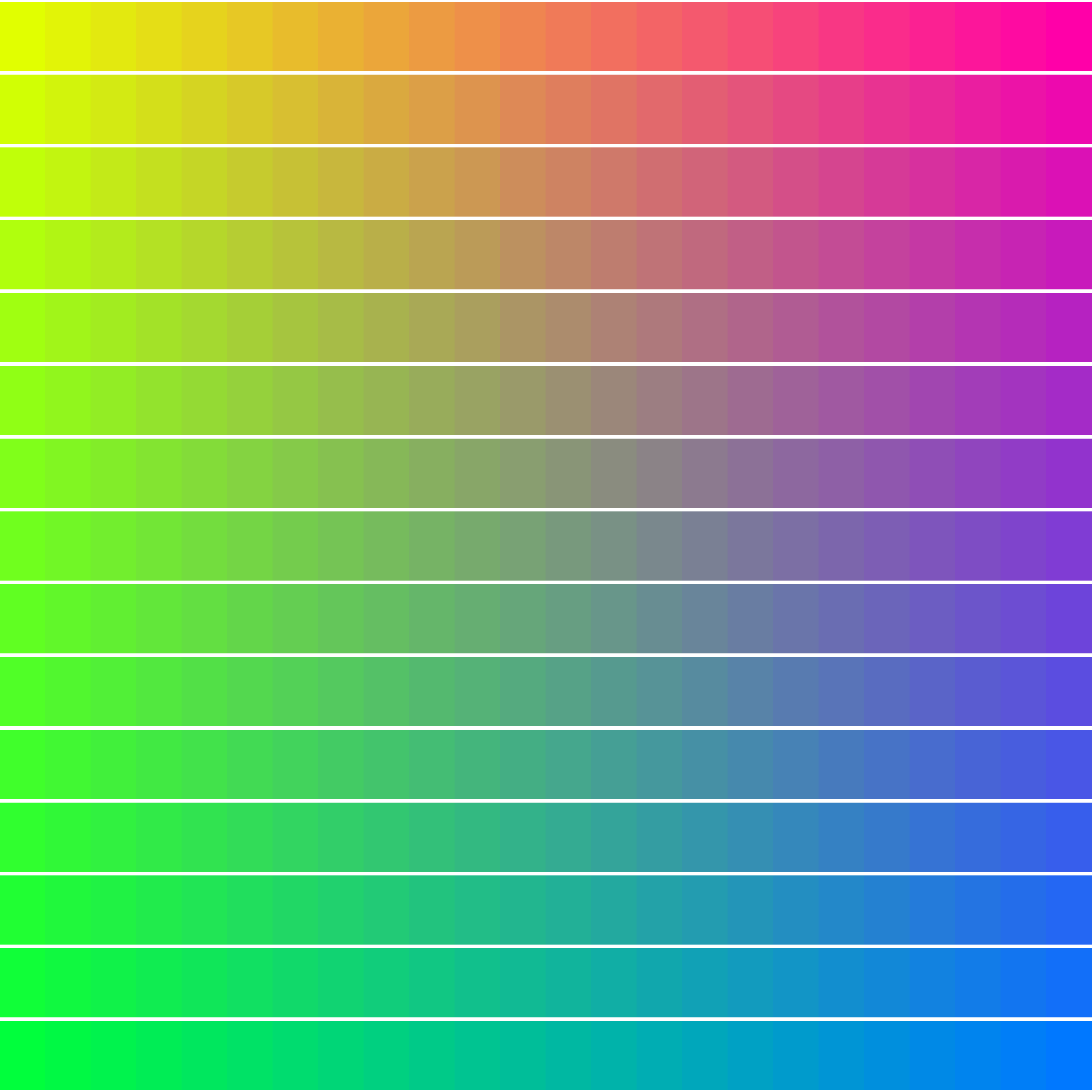
The starting variables for each Color Study are the number of columns and number of rows. The possible values for column and row counts are:
[3, 4, 5, 6, 8, 10, 12, 15, 20, 24, 30, 40, 60, 120]

The extremes were set to be less frequent than the intermediate values. 4 and 60 had a lower probability than the values in between, and 3 and 120 had the lowest possibility.
Also, additional rules were applied when the number of columns or rows were set to either 3 or 4. In those instances, the algorithm prevented the opposite value from being smaller than 8. So, the smallest grid possible was 3x8 (24 rectangles), followed by 5x5 (25 rectangles). This also means that 3 and 4 had an even lower probability of occurring since they can only exist in one direction.
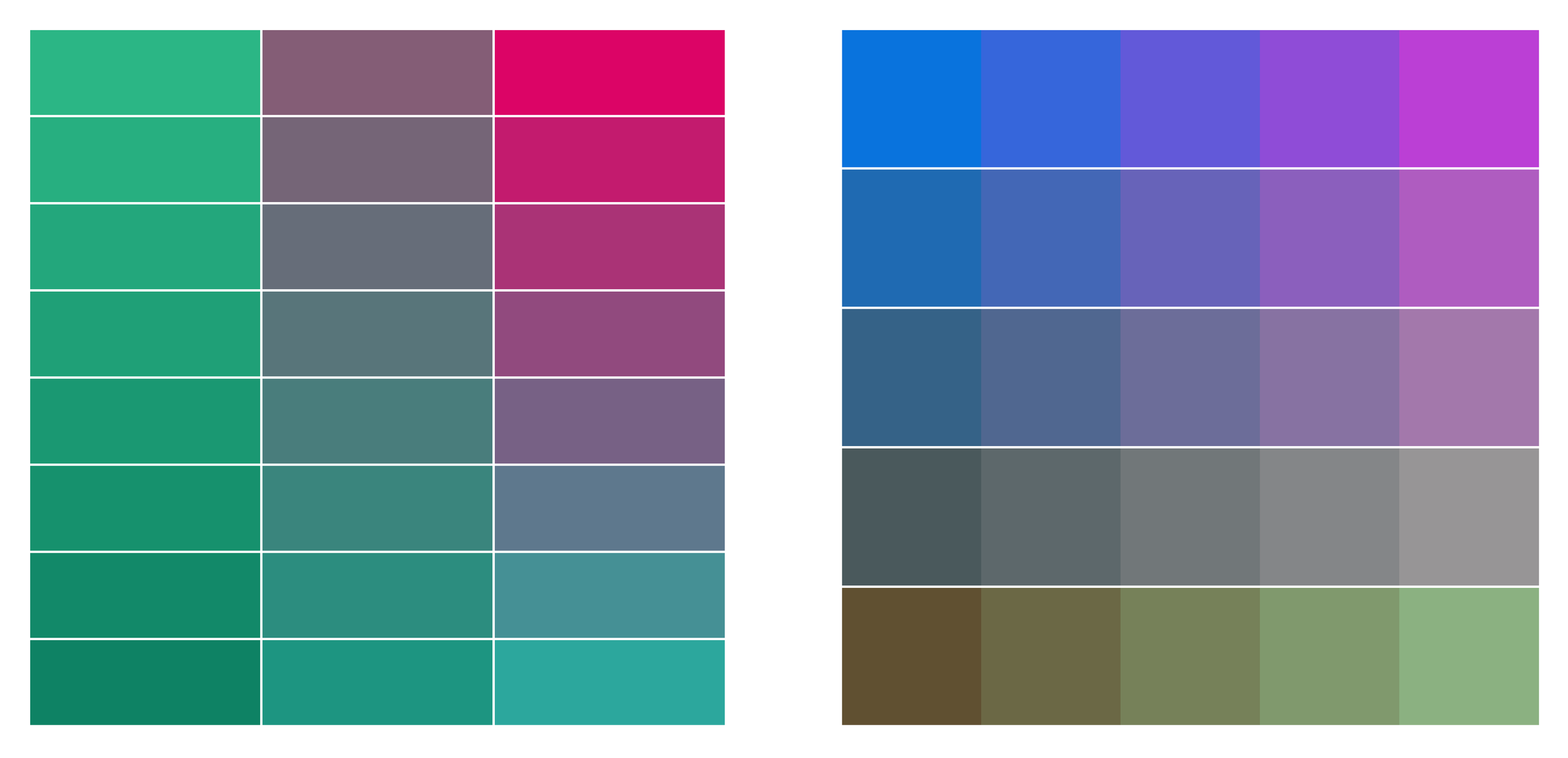
https://www.artblocks.io/token/1/0xa7d8d9ef8d8ce8992df33d8b8cf4aebabd5bd270/16000100
https://www.artblocks.io/token/1/0xa7d8d9ef8d8ce8992df33d8b8cf4aebabd5bd270/16000109
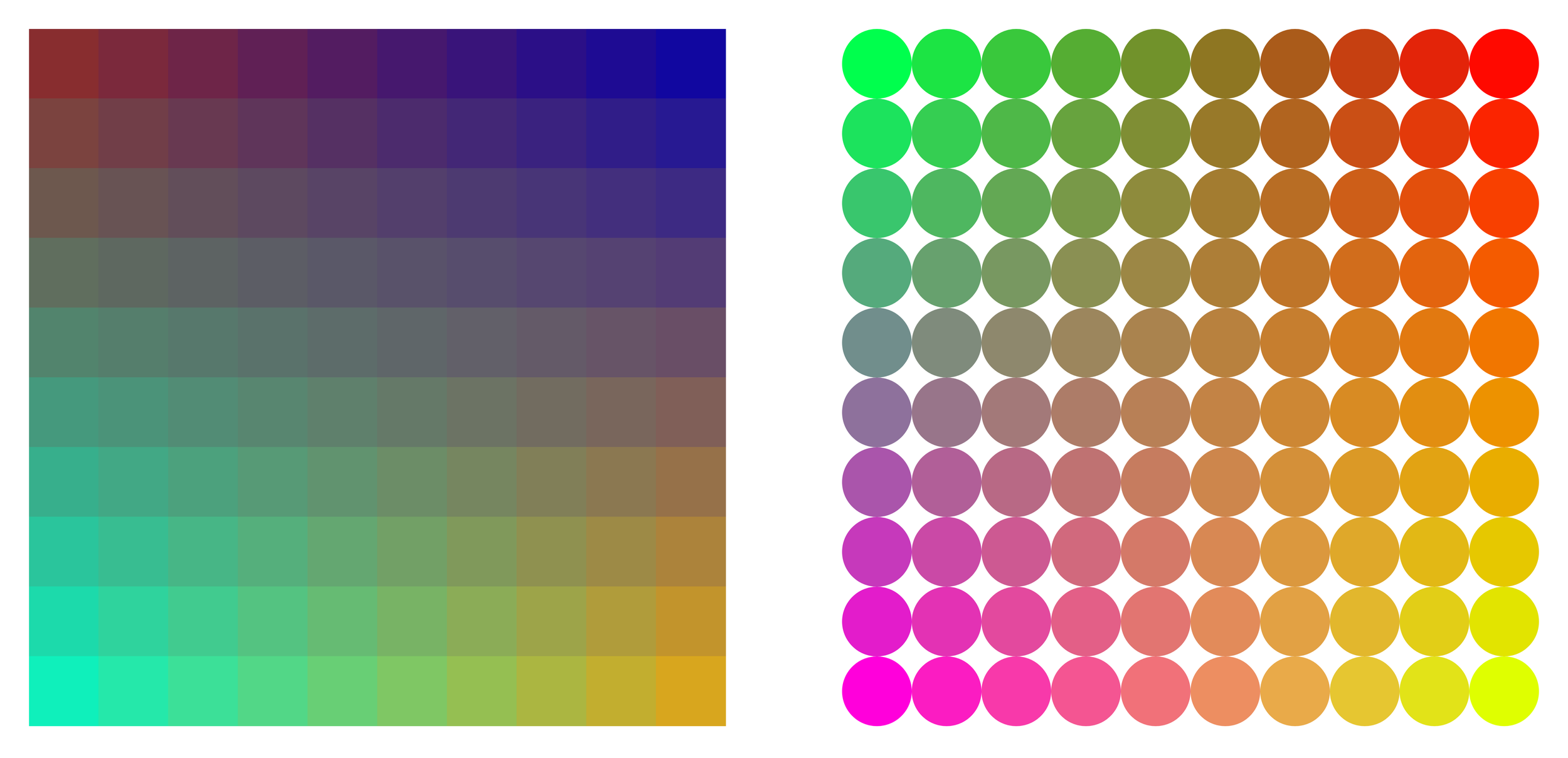
When the number of columns and rows are equal, that obviously creates a perfect grid of squares. And this relationship was the prerequisite for the Circles feature to be activated, where roughly half of the perfect grids were converted to Circles.
https://www.artblocks.io/token/1/0xa7d8d9ef8d8ce8992df33d8b8cf4aebabd5bd270/16000147
https://www.artblocks.io/token/1/0xa7d8d9ef8d8ce8992df33d8b8cf4aebabd5bd270/16000904
Color
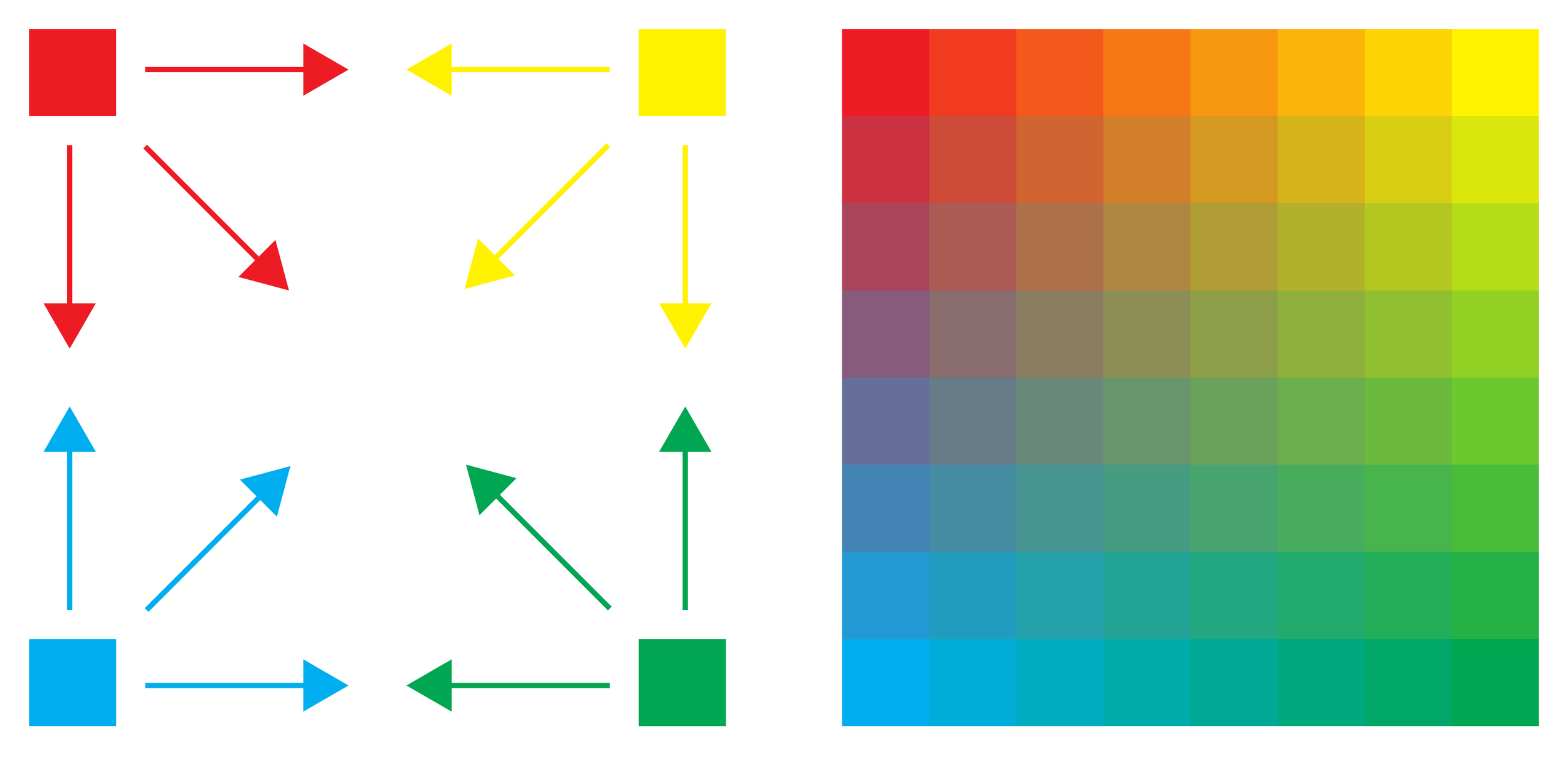
With the exception of the Random and Albers variants, each Color Study is derived from 4 parent colors that are placed in each corner of the grid. These colors are checked for darkness and if any of them are too close to black, they are pushed a little bit closer to their core hue. The parent colors are then blended in equal proportions towards one another, across the determined number of rows and columns.
Color Modifications
Once the basic grid structure and parent colors have been selected, possibilities for different color modifications are then introduced. The most common color modifications were Tinted and Saturated.
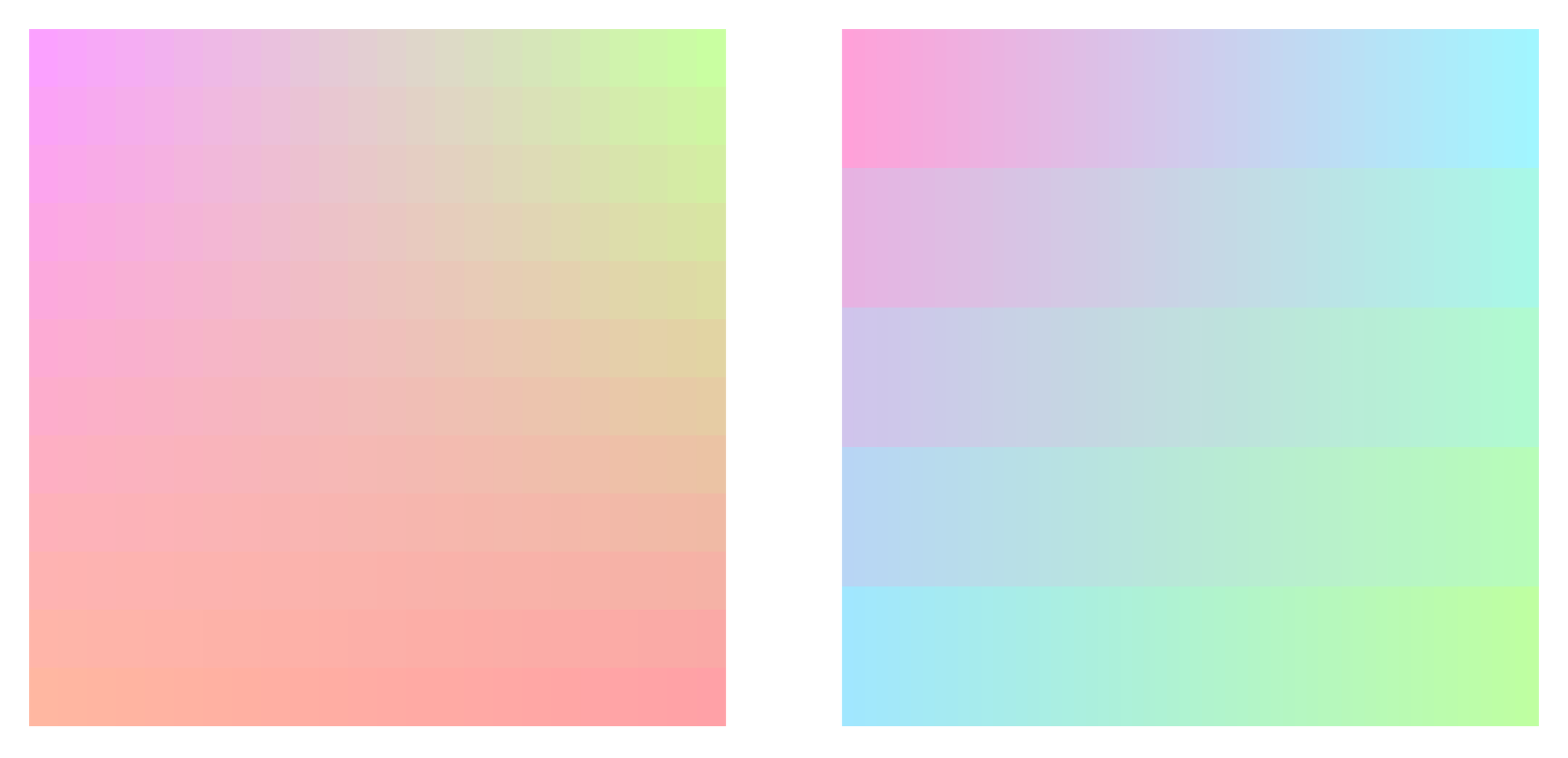
Color Studies with the Tinted feature have white added to all four parent colors to create a pastel effect.
https://www.artblocks.io/token/1/0xa7d8d9ef8d8ce8992df33d8b8cf4aebabd5bd270/16000152
https://www.artblocks.io/token/1/0xa7d8d9ef8d8ce8992df33d8b8cf4aebabd5bd270/16000196
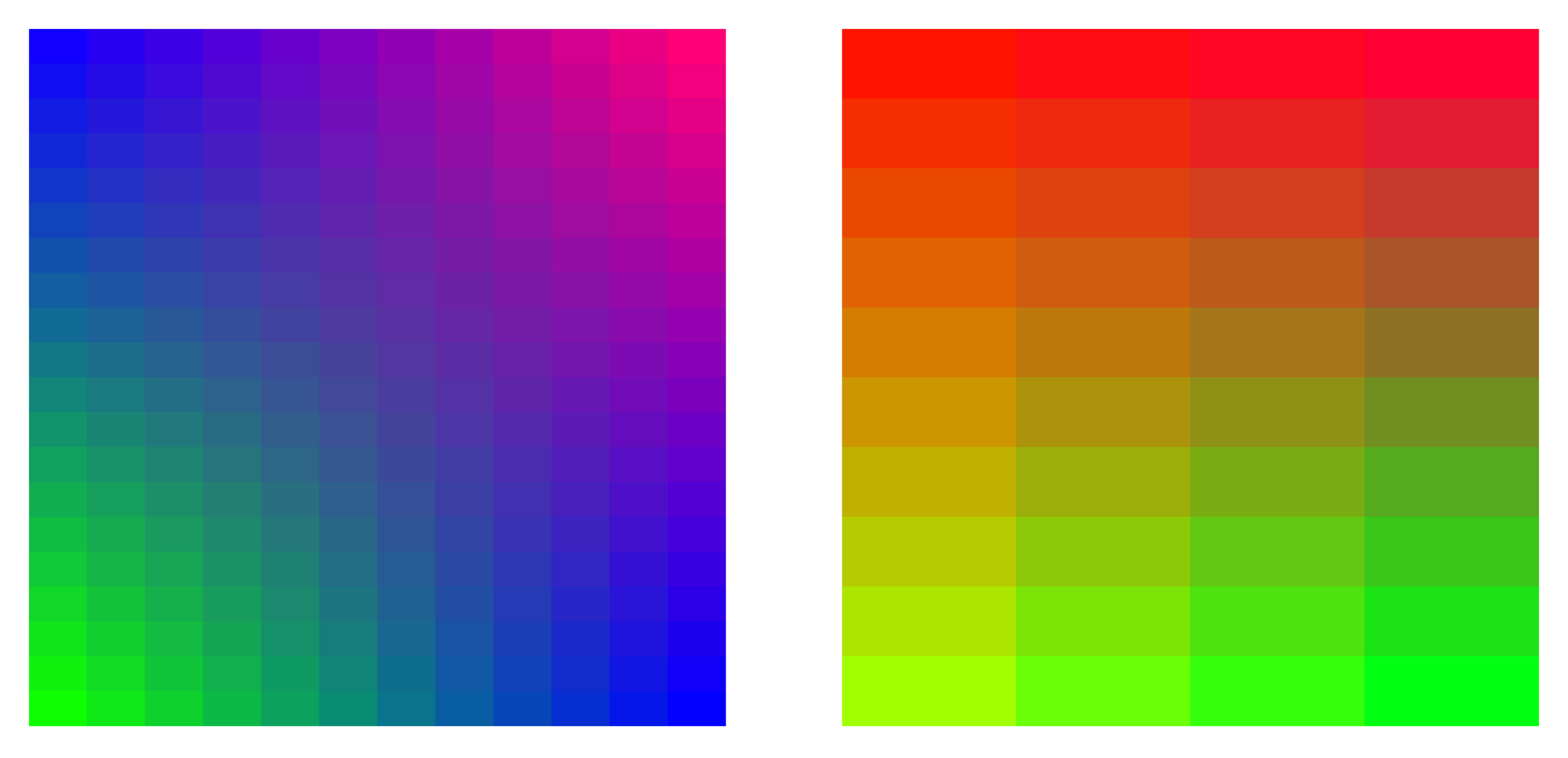
For Color Studies with the Saturated feature, each of the parent colors is pushed to its maximum saturation to create a vibrant mixture.
https://www.artblocks.io/token/1/0xa7d8d9ef8d8ce8992df33d8b8cf4aebabd5bd270/16000260
https://www.artblocks.io/token/1/0xa7d8d9ef8d8ce8992df33d8b8cf4aebabd5bd270/16000286
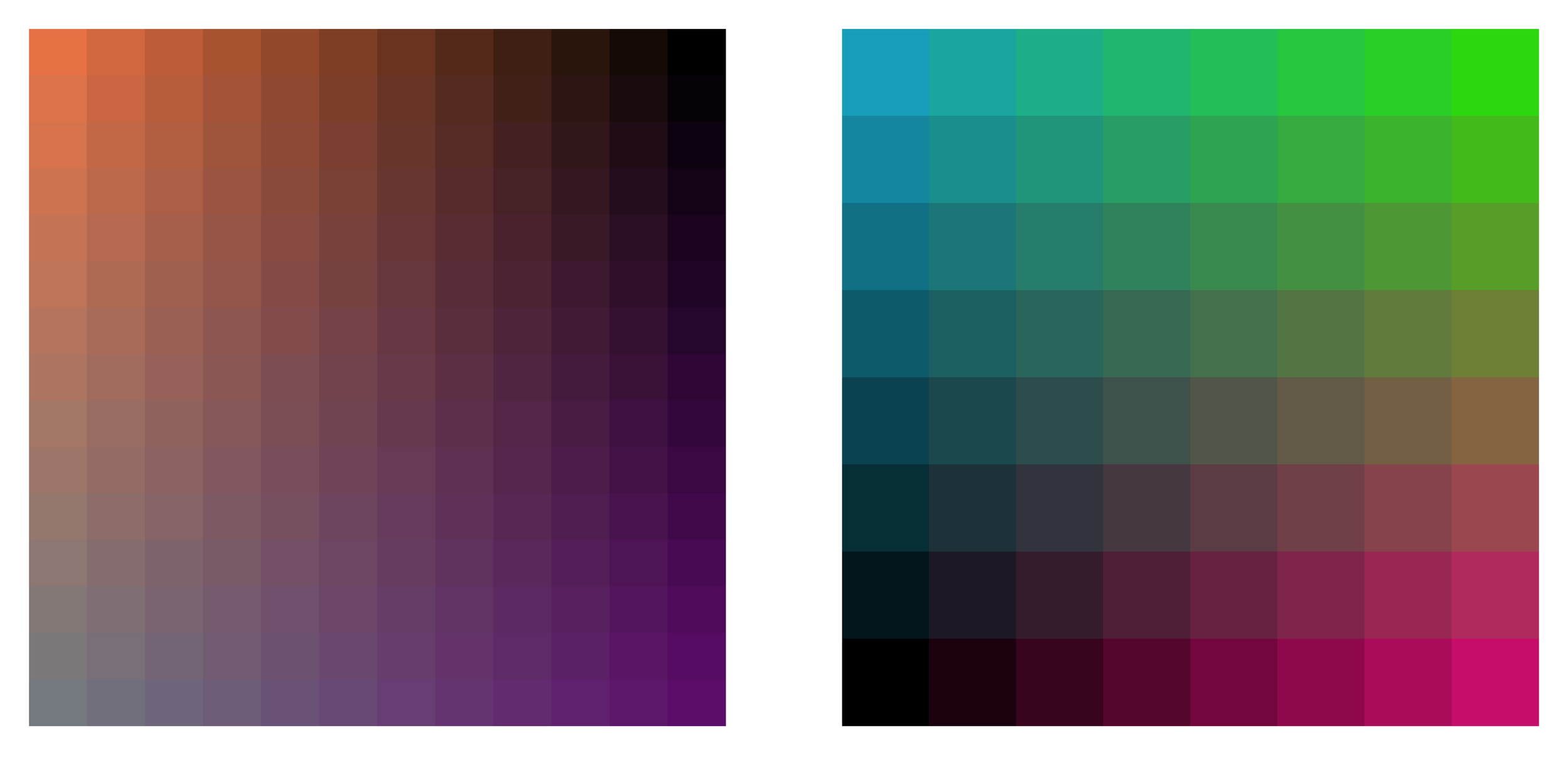
The next most common color modification was called Black Corner. As the name implies, this feature simply picked one of the parent colors and made it black.
https://www.artblocks.io/token/1/0xa7d8d9ef8d8ce8992df33d8b8cf4aebabd5bd270/16000036
https://www.artblocks.io/token/1/0xa7d8d9ef8d8ce8992df33d8b8cf4aebabd5bd270/16001235
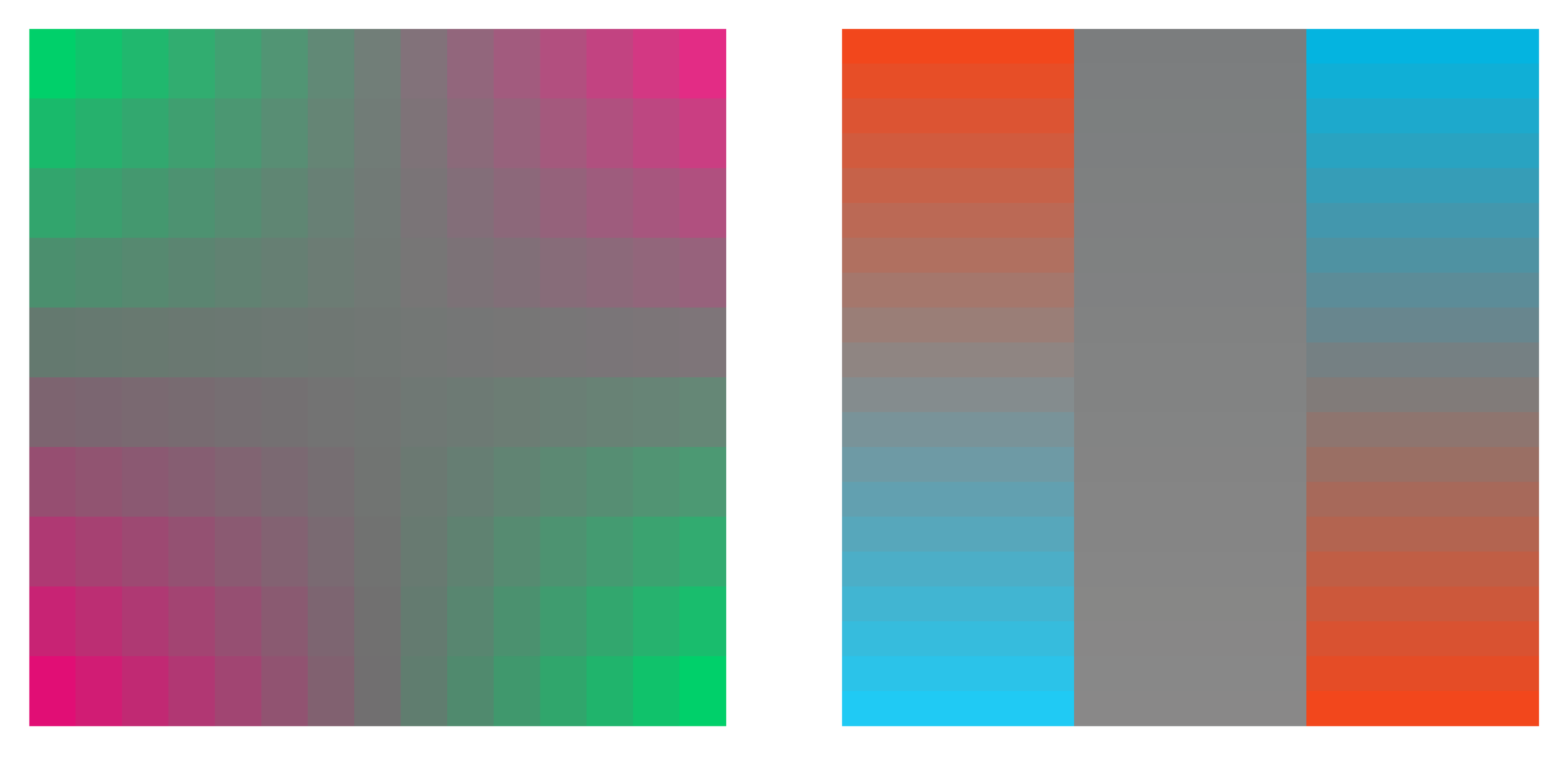
And the least common color modification was Complementary. For this feature, the algorithm looked at the first parent color and adjusted the hues of the other parent colors, so that the opposing corner was the same hue, and the other two corners were complementary hues.
https://www.artblocks.io/token/1/0xa7d8d9ef8d8ce8992df33d8b8cf4aebabd5bd270/16000491
https://www.artblocks.io/token/1/0xa7d8d9ef8d8ce8992df33d8b8cf4aebabd5bd270/16000757
Second Chance
There is also a hidden feature in some Color Studies called Second Chance. Once the parent colors and any color modifications have been determined, the algorithm performs a check to see how similar the four parent colors are to one another. If they are too similar as a group, then Second Chance is triggered, and the algorithm looks to a different portion of the hash to make color selections.
Normally, the parent colors are based on the hexadecimal values in positions 5-28 after 0x in the hash. Segment 5-10 corresponds to the upper left corner, segment 11-16 the upper right corner, segment 17-22 the lower left corner, and segment 23-28 the lower right corner. But for Color Studies with the Second Chance feature, the parent colors are based on the hexadecimal values in positions 35-58 after 0x in the hash, with a similar breakdown and assignment to the corners.


My simulations predicted that about 1% of the output would be Second Chance. I don’t know a good way to automatically check for this feature, but presumably one could make a determination by examining which hash segment appears to be powering the parent colors.
Random
The final possible color modification is Random, which completely obliterates the concept of blending parent colors. Color Studies with the Random feature instead have a randomly chosen color placed in each individual location of the grid structure.
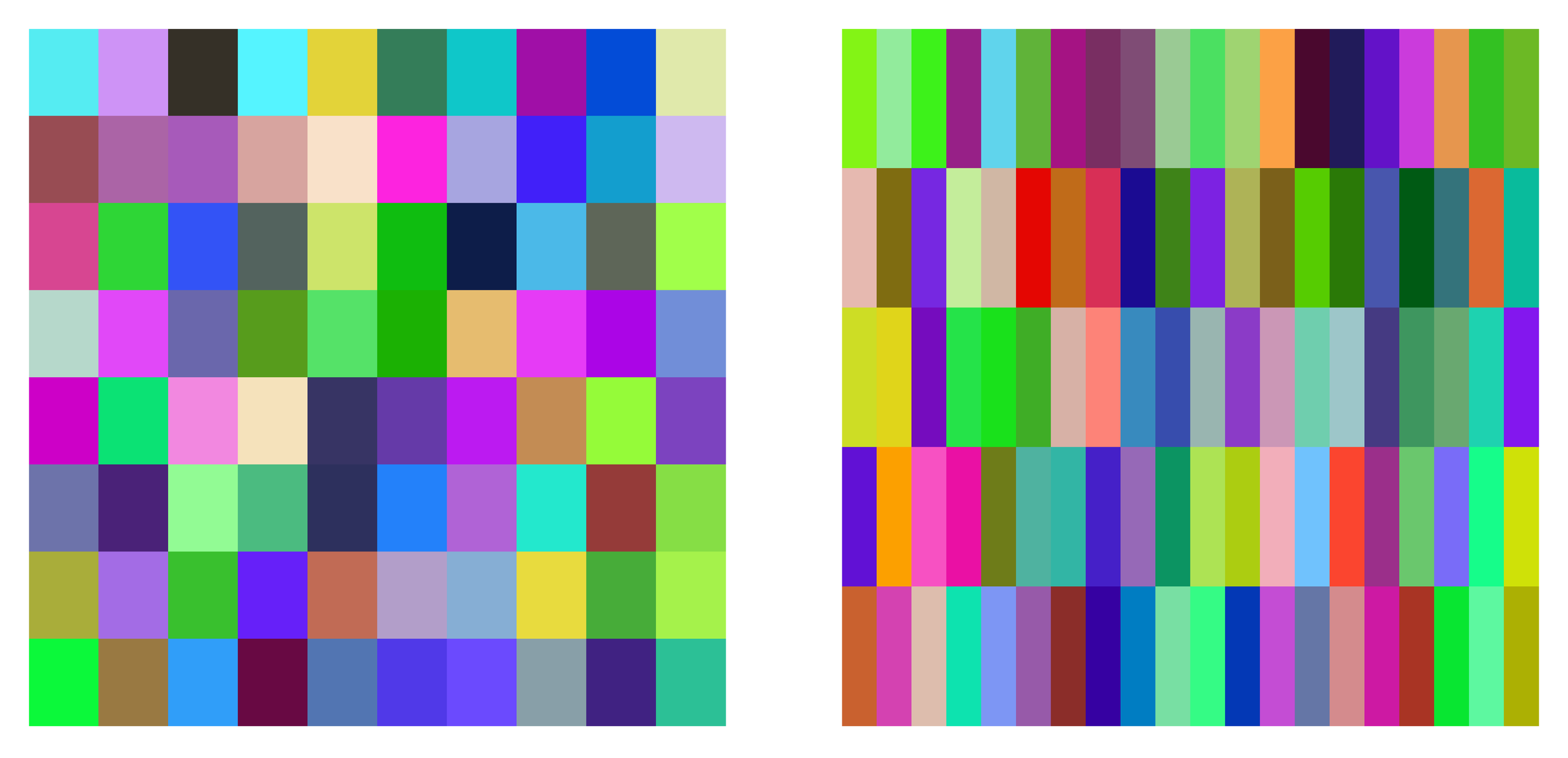
https://www.artblocks.io/token/1/0xa7d8d9ef8d8ce8992df33d8b8cf4aebabd5bd270/16000523
https://www.artblocks.io/token/1/0xa7d8d9ef8d8ce8992df33d8b8cf4aebabd5bd270/16001204
Lines
Once all of the color selections have been determined, the algorithm then considers whether or not to include dividing lines on the grid.
The most common outcome for a Color Study is to have no lines at all, called Adjacent.
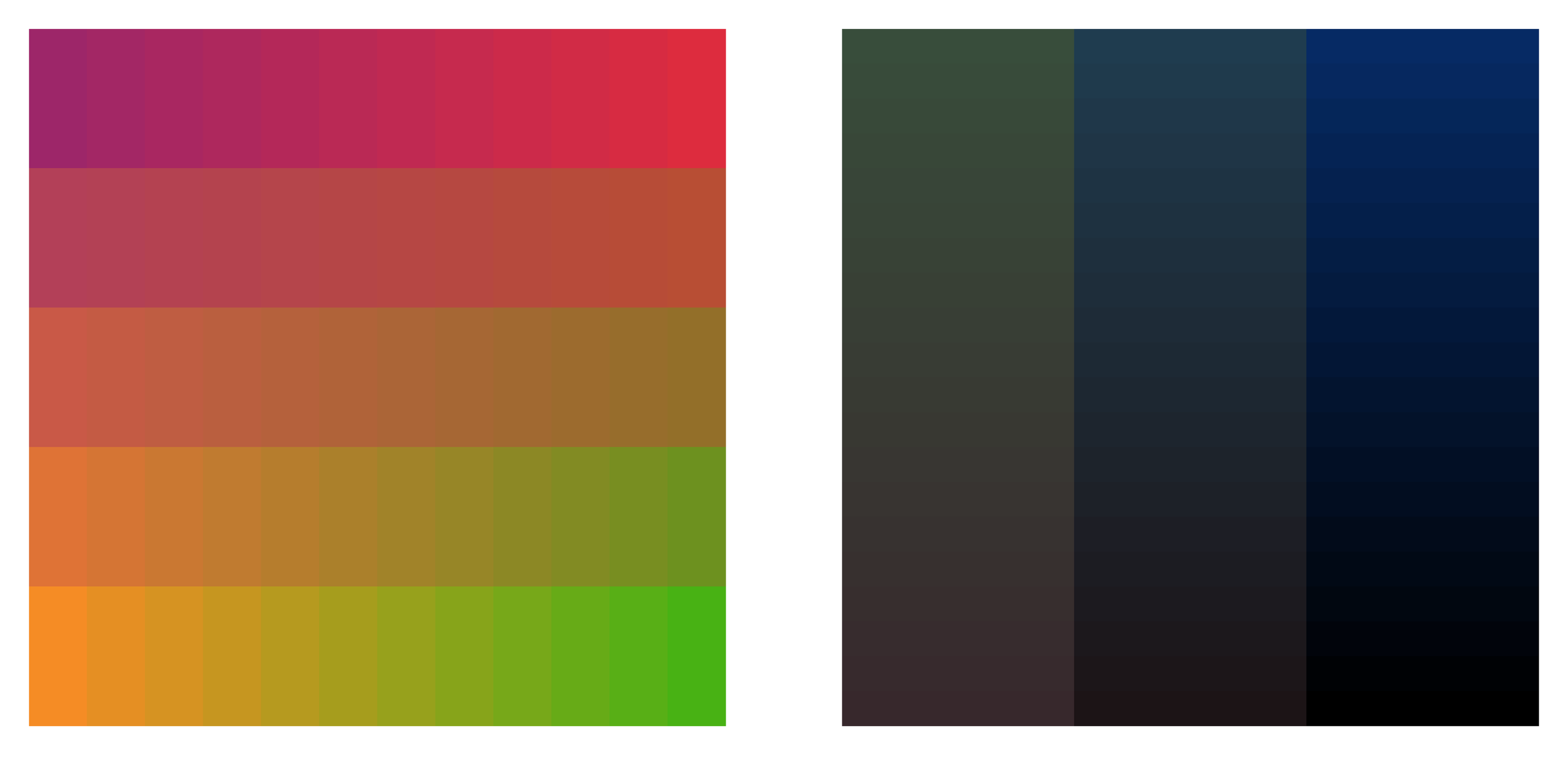
https://www.artblocks.io/token/1/0xa7d8d9ef8d8ce8992df33d8b8cf4aebabd5bd270/16000582
https://www.artblocks.io/token/1/0xa7d8d9ef8d8ce8992df33d8b8cf4aebabd5bd270/16000584
Then Horizontal Lines and Vertical Lines both had an equal opportunity of occurring.
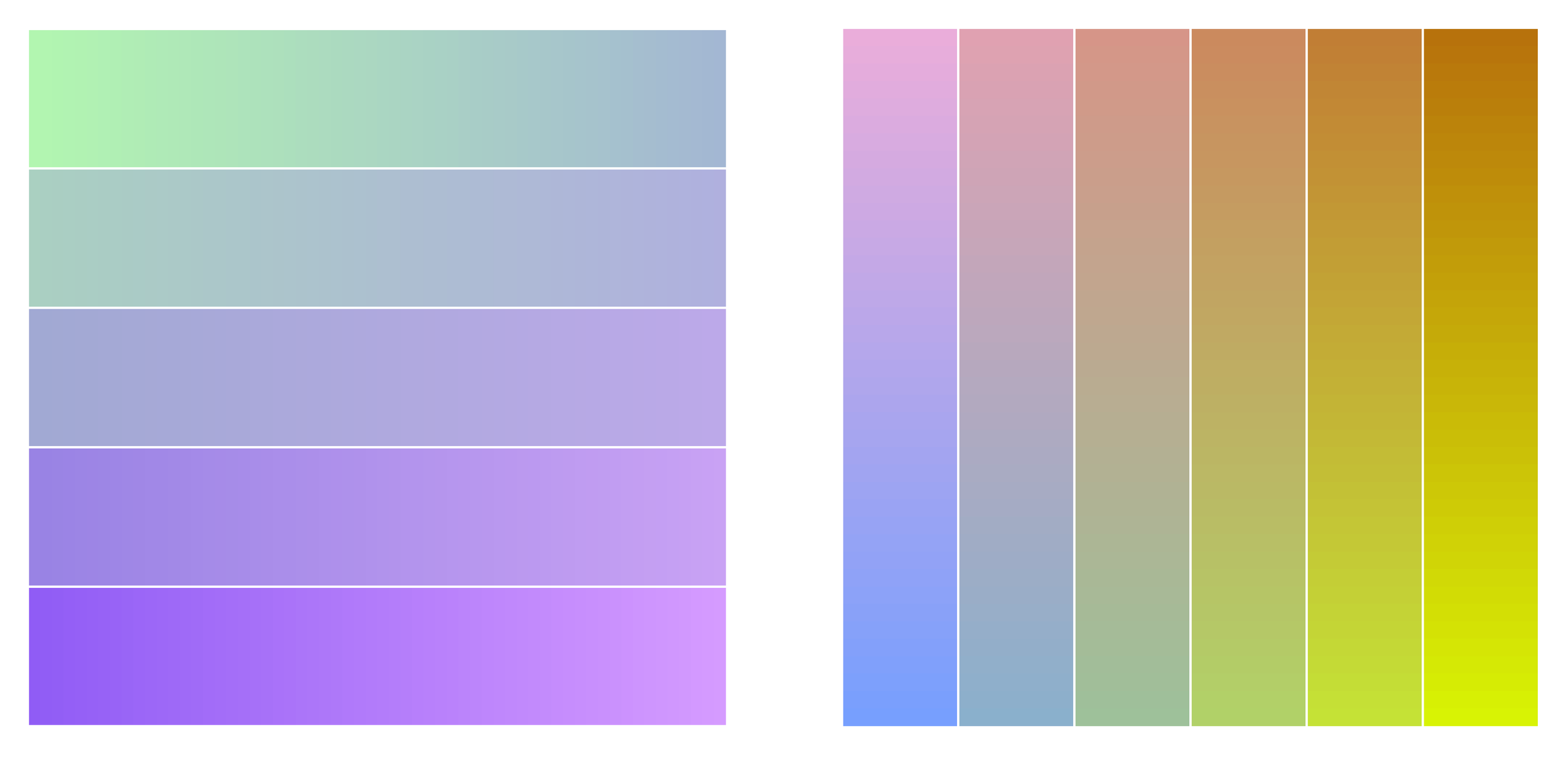
https://www.artblocks.io/token/1/0xa7d8d9ef8d8ce8992df33d8b8cf4aebabd5bd270/16000586
https://www.artblocks.io/token/1/0xa7d8d9ef8d8ce8992df33d8b8cf4aebabd5bd270/16000590
And when both horizontal and vertical lines were selected, the result is Grid Lines.
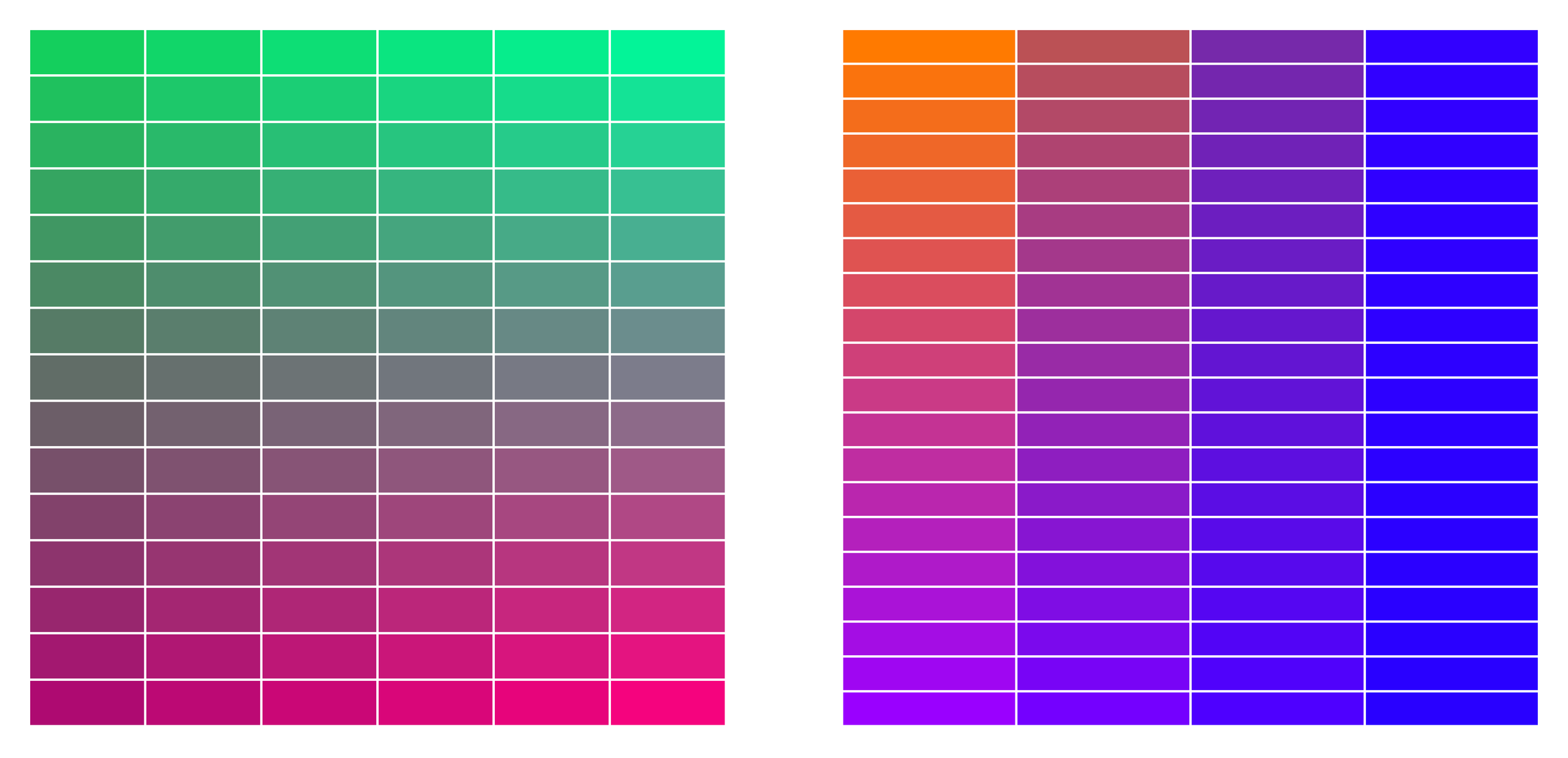
https://www.artblocks.io/token/1/0xa7d8d9ef8d8ce8992df33d8b8cf4aebabd5bd270/16000595
https://www.artblocks.io/token/1/0xa7d8d9ef8d8ce8992df33d8b8cf4aebabd5bd270/16000632
Albers
The final possible Color Study outcome was an Easter egg paying tribute to my color hero Josef Albers. If the token hash contains the strings ‘a1be’ or ‘a1b3’ anywhere along the hash, the previously drawn Color Study was replaced with an algorithmically generated Homage to the Square.

https://www.artblocks.io/token/1/0xa7d8d9ef8d8ce8992df33d8b8cf4aebabd5bd270/16001407
https://www.artblocks.io/token/1/0xa7d8d9ef8d8ce8992df33d8b8cf4aebabd5bd270/16001824
Layered Combinations
While some of the features described above were exclusive to each other, many of them had the ability to be layered together in the same Color Study. The following combinations of two or more features are listed from most probable to least probable:
Tinted, Line
Saturated, Line
Black Corner, Line
Complementary, Line
Random, Line
Tinted, Grid
Saturated, Grid
Tinted, Circles
Saturated, Circles
Complementary, Tinted
Complementary, Saturated
With the following combinations being even less probable than the Albers feature:
Black Corner, Grid
Complementary, Grid
Random, Grid
Black Corner, Circles
Complementary, Circles
Complementary, Tinted, Line
Complementary, Saturated, Line
Random, Circles
Complementary, Black Corner
Complementary, Black Corner, Line
Complementary, Tinted, Grid
Complementary, Saturated, Grid
Complementary, Tinted, Circles
Complementary, Saturated, Circles
Complementary, Black Corner, Grid
Complementary, Black Corner, Circles
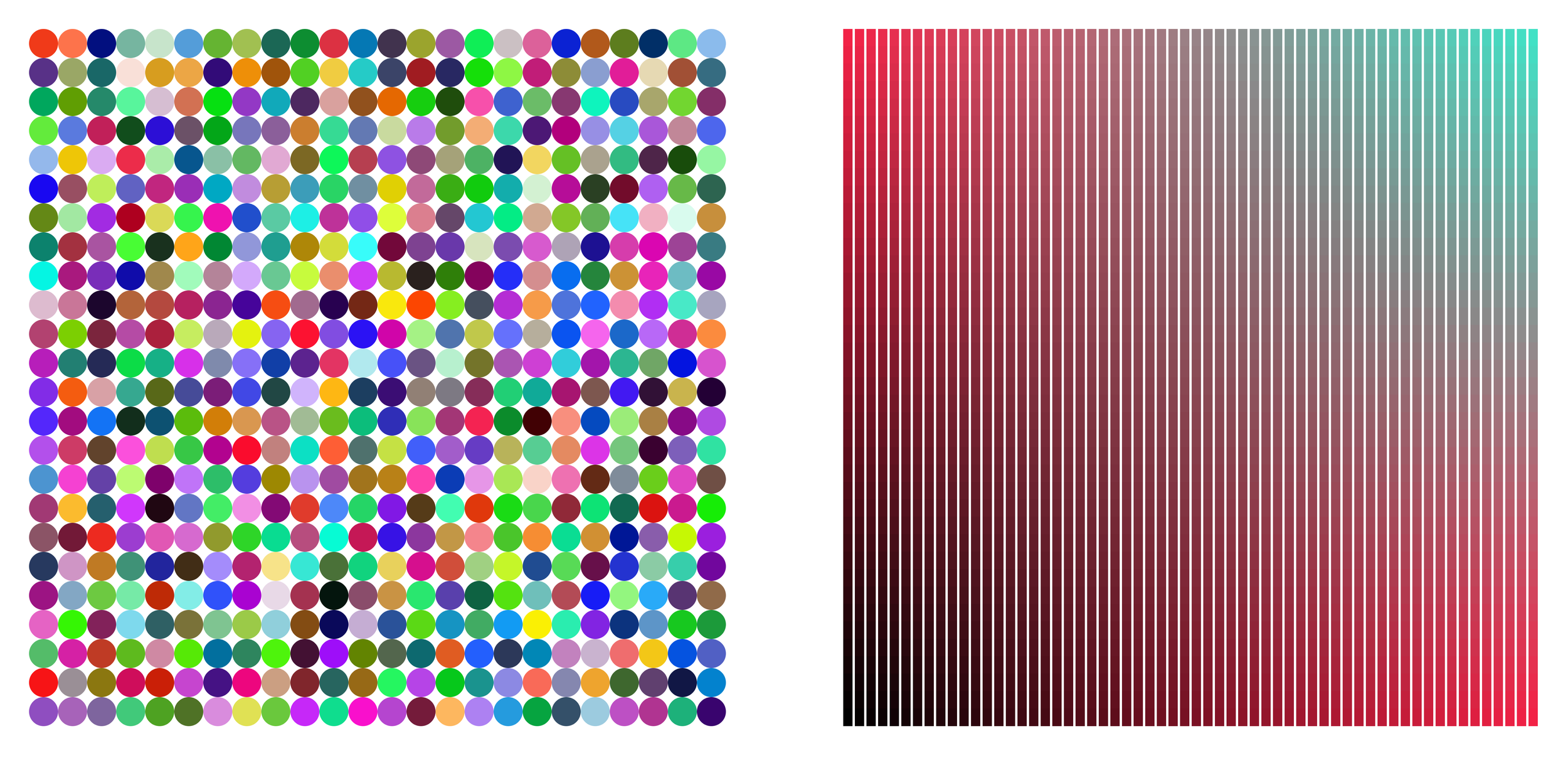
https://www.artblocks.io/token/1/0xa7d8d9ef8d8ce8992df33d8b8cf4aebabd5bd270/16000479
https://www.artblocks.io/token/1/0xa7d8d9ef8d8ce8992df33d8b8cf4aebabd5bd270/16000666
Conclusion
Thank you for taking the time learn more about Color Studies. Now explore OpenSea and see what you can find!
https://opensea.io/collection/color-study-by-jeff-davis
Originally published February 24, 2021on CENT